
The Rise Of ACL Surgery
One of the scariest knee injuries active people face is an anterior cruciate ligament (ACL) tear. A collision on the field or an awkward landing can cause the ligament to tear or even detach completely. Over 250,000 ACL reconstruction surgeries are performed yearly. The figure continues to increase, as patients turn to the procedure to get back in action. But what happens under the knife? And how long does ACL reconstruction last?

Understanding ACL reconstruction
The ACL is one of five main ligaments supporting the knee. The ligament connects the thigh and shin bones, giving the ability to twist and flex. When the ACL tears, the knee gives way, making simple movements painful and difficult. ACL reconstruction is a minimally invasive procedure, where surgeons replace the damaged tendon with a graft or donor’s tendon. The surgeon removes the damaged ligament. Then a new tendon is attached through anchors on surrounding bones. With physical therapy, the knee returns to regular function in as little as 6-9 months.
Rebuilt to last
In the last several decades, ACL reconstruction has improved in effectiveness. Studies show patients resuming high-contact activities quickly post-surgery. Not only is the procedure effective, but repaired tendons perform like new. Reconstruction patients even 20 years later revealed excellent performance, with over 85% still active. However, over 40% revealed some degree of osteoarthritis. Another key question comes up. How much are age and activity involved?
The teenage risk
As the intensity and demand of high school and college sports increases, so does the risk of injury. A study of over 300 high schoolers with ACL reconstruction shows great promise. The teens resumed activity and had only a 6% rate of revision surgery. However, teenagers between the ages of 14-16 have a higher risk of needing additional surgery. Patients in the age range also found difficulty returning to sports. The reason, scientists concluded, could be the expected bone growth around this age.
60 and over
Should the young at heart go under the knife? Older persons are often discouraged from ACL surgery. With age comes longer healing and recovery times. Avoiding the knife may be wise for elderly persons who are generally inactive. But for active persons 60 and over, reconstruction can be the difference in resuming an active lifestyle. A study on patients 60 and over undergoing ACL reconstruction showed no signs of slowing down 10 years later. All the patients went back to sports with little to no pain.
Reconstruction is here to stay
The fact remains, young and older persons benefit from surgical intervention. Despite a small possibility of redamaging the tendon and osteoarthritis, the success rate cannot be understated. The surgical procedure is not a band-aid. Expect the new tendon to hold up for decades. To be safe, surgeons will inform patients of any complications to expect, regardless of age and activity. For more information regarding ACL reconstruction options and surgical treatment, speak with a healthcare provider.
Recent Posts
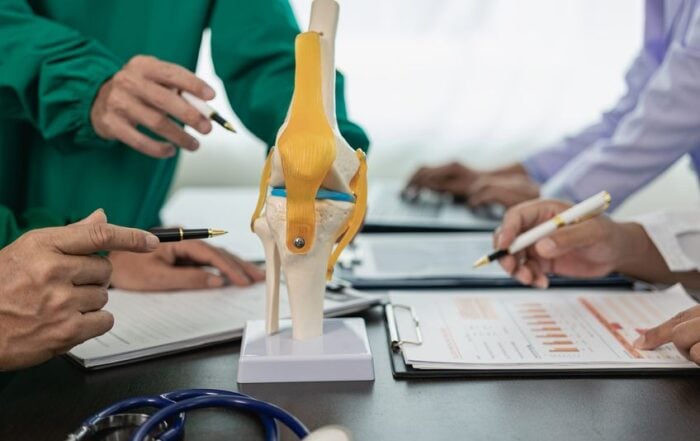
ACL Reconstruction: How Long Is The Recovery Timeline?
ACL reconstruction requires extensive recovery. Learn how long this timeline is for effective planning and guidance.

Shoulder Labral Tear Symptoms: When To Consider Surgery
A shoulder labral tear causes significant pain. Look for these symptoms and the criteria for pain-relieving surgery.

Partial vs Total Knee Replacement: Which Is Right?
Partial and total knee replacement can provide substantial relief. Learn which is best for long-term results.
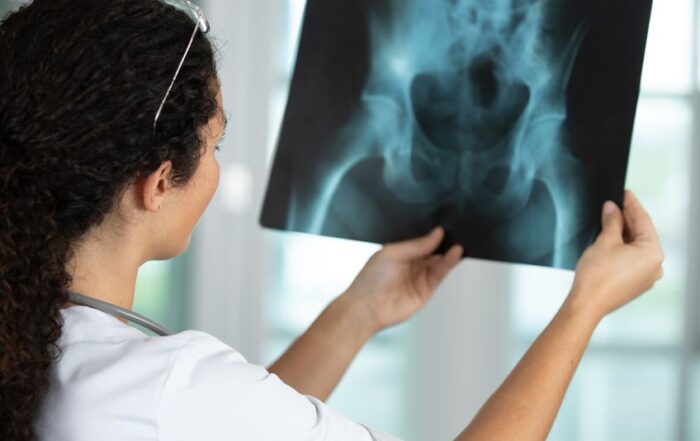
Hip Arthroscopy: Can It Treat Labral Tears And Impingement?
Hip labral tears and impingement may need surgery. Hip arthroscopy is an effective, long-term treatment option.
Recent Posts
Shoulder Labral Tear Symptoms: When To Consider Surgery
A shoulder labral tear causes significant pain. Look for these symptoms and the criteria for pain-relieving surgery.
Partial vs Total Knee Replacement: Which Is Right?
Partial and total knee replacement can provide substantial relief. Learn which is best for long-term results.
Hip Arthroscopy: Can It Treat Labral Tears And Impingement?
Hip labral tears and impingement may need surgery. Hip arthroscopy is an effective, long-term treatment option.

Meniscus Tear Surgery: When Should Patients Consider Repair?
Meniscus tear surgery is a major decision. Learn the factors that help patients to consider surgical repair.