
Joint Diagnosis And Repair With Arthroscopy
During an arthroscopic procedure, a surgeon makes a small incision in the patient’s skin and inserts a small, pencil-sized instrument which has a small light, camera, and lens attached. The arthroscope enables the surgeon to illuminate and magnify the structures within a joint. The size and magnification capabilities of the arthroscope mean that only a small incision is needed.
The camera displays a magnified image of the joint on a TV screen, allowing the surgeon to identify any damaged areas around the bone, cartilage, ligaments and beneath the kneecap. The surgeon can then determine how serious the injury is and what needs to be done to correct it. This procedure can be used to examine the knee, shoulder, ankle, wrist, elbow, and hip joints.

Who needs an arthroscopy?
A patient who is having problems with a joint will first discuss medical history as well as how an injury was sustained. The doctor will then order an image for further diagnosis. An arthroscope is still often needed to enable a final diagnosis. Injuries and disease can cause damage to bones, tendons, ligaments, and cartilage.
Using arthroscopy to treat injuries
Some of the most common conditions revealed using arthroscopy include acute or chronic injury, inflammation, loose bodies of bone, and ligament tears. Arthroscopy can be combined with surgical procedures to perform rotator cuff surgery, repair torn ligaments, remove inflamed synovium, resection torn cartilage, and remove loose bone.
Arthroscopy can be performed under a general or local anesthetic depending on which joint is being treated. The surgeon needs only to make a very small incision, although other small incisions may be made in other parts of the joint so he or she can insert other instruments. The length of surgery and amount of recovery time will depend on the severity of the injury.
Recovery after arthroscopy
The puncture wounds from arthroscopy typically take 2-3 days to heal. Joint pain is usually minimal, though it will take the joint several weeks to recover. The doctor will recommend a specific rehabilitation and physical therapy program to speed recovery and help protect your joint from damage in the future.
After arthroscopy, patients usually resume their normal daily activities within a few days. Athletes often return to their sports regime within a few weeks. Recovery time will depend on specific diagnosis and any underlying medical issues.
Recent Posts
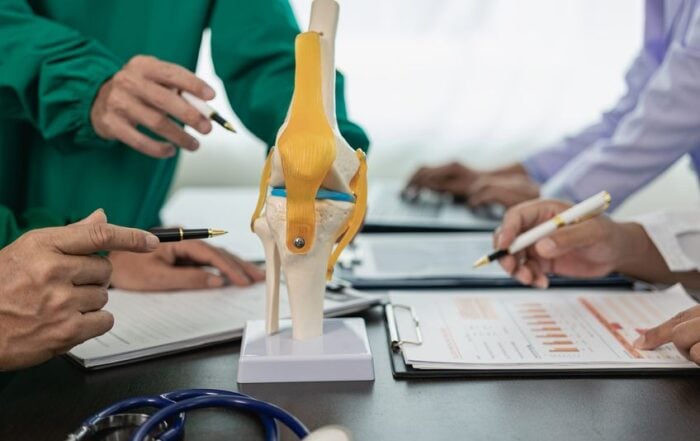
ACL Reconstruction: How Long Is The Recovery Timeline?
ACL reconstruction requires extensive recovery. Learn how long this timeline is for effective planning and guidance.

Shoulder Labral Tear Symptoms: When To Consider Surgery
A shoulder labral tear causes significant pain. Look for these symptoms and the criteria for pain-relieving surgery.
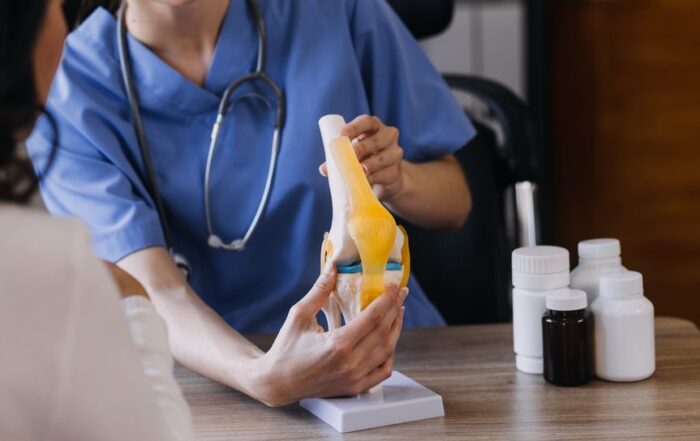
Partial vs Total Knee Replacement: Which Is Right?
Partial and total knee replacement can provide substantial relief. Learn which is best for long-term results.
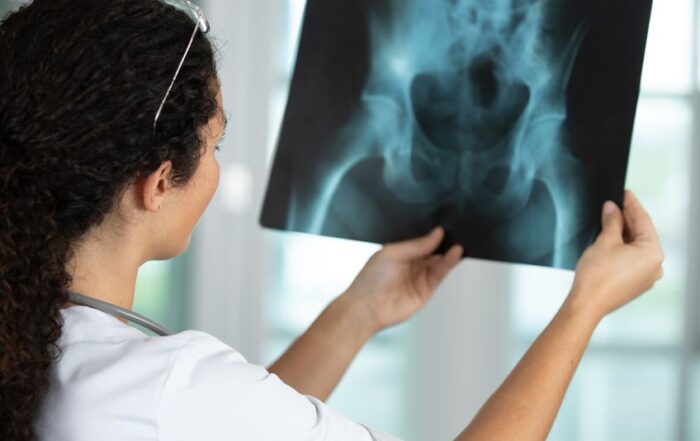
Hip Arthroscopy: Can It Treat Labral Tears And Impingement?
Hip labral tears and impingement may need surgery. Hip arthroscopy is an effective, long-term treatment option.
Recent Posts
Shoulder Labral Tear Symptoms: When To Consider Surgery
A shoulder labral tear causes significant pain. Look for these symptoms and the criteria for pain-relieving surgery.
Partial vs Total Knee Replacement: Which Is Right?
Partial and total knee replacement can provide substantial relief. Learn which is best for long-term results.
Hip Arthroscopy: Can It Treat Labral Tears And Impingement?
Hip labral tears and impingement may need surgery. Hip arthroscopy is an effective, long-term treatment option.
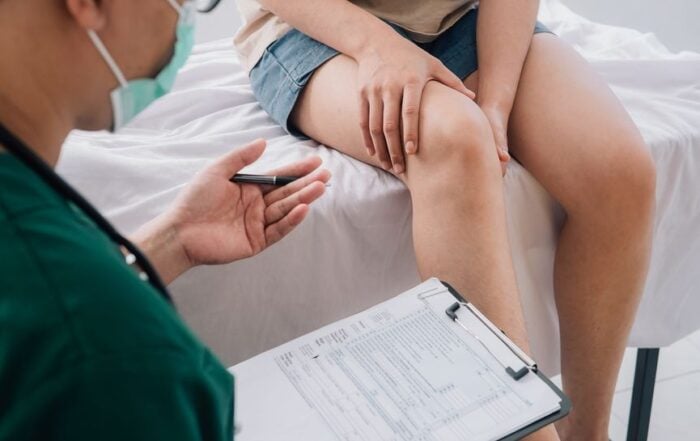
Meniscus Tear Surgery: When Should Patients Consider Repair?
Meniscus tear surgery is a major decision. Learn the factors that help patients to consider surgical repair.