
Is Your Rotator Cuff Damaged?
Shoulders play an important role in arm movement, particularly during sports. The shoulder consists of a group of tendons and muscles that wrap around the joint, forming the rotator cuff. Sometimes, due to overuse, pain and soreness can occur. If the pain persists, there may be severe damage in the form of a rotator cuff tear. Only a doctor can diagnose a tear using imaging, but some signs of the injury should not be ignored.

All torn up
A rotator cuff tear happens when the tendon is torn or damaged. This can be a partial or full-thickness tear, with the tendon completely detached from the bone. Most rotator cuff tears happen from repetitive motions in sports like baseball, tennis, and golf. In some cases, aging can reduce the blood supply, causing fraying that turns into a tear. People who lift heavy objects, fall, or have car accidents can suffer the injury too. Rotator cuff tears are common, with at least 2 million occurring every year.
Do you have chronic shoulder pain?
Constant pain is the first sign of a rotator cuff tear. The pain is usually a dull ache felt deeper in the shoulder. Some people know immediately after a fall, collision, or accident. Others develop the injury over time. The pain can be mild at first, then builds to a dull, chronic ache.
Weakness and limited mobility
Over time, the arm can lose strength and mobility. Lifting the arm overhead is painful and, at times, challenging. The ability to lift heavy objects, throw a ball, or perform repetitive motions also declines. If there is a significant decline in the quality of life, a tear may be the culprit.
A cracking sound
Is there a cracking sound when lifting the arm or moving the shoulder? This sound is called crepitus. Crepitus is a joint’s popping, cracking, or clicking with movement. This happens with age but can also happen when joint cartilage is loose. The tissue catches in spaces of the shoulder, creating a cracking sound. Crepitus and the other symptoms are a sign to visit a doctor immediately.
Try these treatment options
A general doctor or orthopedic specialist will perform physical tests, X-rays, or MRI scans to confirm a tear. The extent of damage will determine the treatment options for shoulder pain. Most candidates for partial tears can benefit from rest, slinging the shoulder, physiotherapy, or additional techniques like regenerative medicine. Surgery may be necessary for complete tears that do not respond to treatment. Minimally invasive procedures will allow an orthopedic surgeon to reattach the tendon to the bone. From there, extensive physical therapy and rest help patients become pain-free.
Beware the tear
Rotator cuff tears can severely limit the use of the shoulder and must be taken seriously. Look for the signs such as dull pain, weakness, and cracking sounds. If treated early, most patients can benefit from non-surgical means. For chronic shoulder pain, advanced surgery may be necessary.
Recent Posts

Shoulder Labral Tear Symptoms: When To Consider Surgery
A shoulder labral tear causes significant pain. Look for these symptoms and the criteria for pain-relieving surgery.
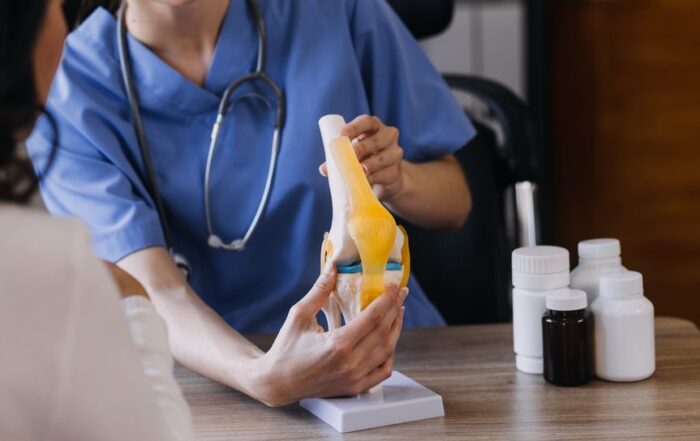
Partial vs Total Knee Replacement: Which Is Right?
Partial and total knee replacement can provide substantial relief. Learn which is best for long-term results.
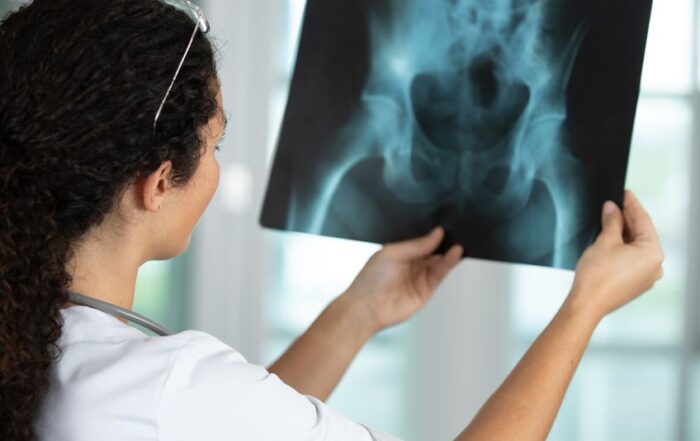
Hip Arthroscopy: Can It Treat Labral Tears And Impingement?
Hip labral tears and impingement may need surgery. Hip arthroscopy is an effective, long-term treatment option.

Meniscus Tear Surgery: When Should Patients Consider Repair?
Meniscus tear surgery is a major decision. Learn the factors that help patients to consider surgical repair.
Recent Posts
Shoulder Labral Tear Symptoms: When To Consider Surgery
A shoulder labral tear causes significant pain. Look for these symptoms and the criteria for pain-relieving surgery.
Partial vs Total Knee Replacement: Which Is Right?
Partial and total knee replacement can provide substantial relief. Learn which is best for long-term results.
Hip Arthroscopy: Can It Treat Labral Tears And Impingement?
Hip labral tears and impingement may need surgery. Hip arthroscopy is an effective, long-term treatment option.
Meniscus Tear Surgery: When Should Patients Consider Repair?
Meniscus tear surgery is a major decision. Learn the factors that help patients to consider surgical repair.