
What Happens When You Tear Your ACL?
The anterior cruciate ligament (ACL) is a ligament that joins the femur to the tibia, which is necessary for knee rotation and stabilization. The cartilage in this area acts as a shock absorber. ACL injuries often affect the menisci as well. Sprains stretch the ligament and cause tears that destabilize the knee joint.

What activities cause ACL injuries?
In total, there are four ligaments in the knee, including the lateral collateral ligament and the medial collateral ligament. Both ligaments are located at the side of the knee and help to keep the knee intact. Certain activities make people more susceptible to ACL injuries. Athletes commonly tear the ACL due to increased physical activity. These injuries are more common in basketball, football, gymnastics, and soccer. These sports produce the most ACL injuries due to the constant starting and stopping movements, such as jumping, landing, pivoting, and massive impact on the knees. Furthermore, female athletes are more susceptible to ACL injuries.
The signs of an ACL injury
Patients with an ACL sprain will notice instantaneous pain and swelling in the area. Picture a basketball player falling on the ground during the game writhing in pain while gripping the knee. This is an example of an ACL sprain. Patients also have trouble walking, running, and experience tenderness near the knee joint.
Diagnosing an ACL tear
Once the patient goes to a medical facility, the doctor will conduct a physical examination and evaluate the injured knee. The doctor will also order tests like x-rays and MRIs to look for any bone or tissue damage. After the tests, the doctor will develop a treatment plan.
Minimally invasive ACL repair
Due to the nature of a ligament sprain, doctors must reconstruct the ligament using tissue from another tendon. Instead of making large incisions around the knee, doctors can perform a knee arthroscopy. During the surgery, the doctor makes a small incision and uses an arthroscope to project video images of the knee onto a monitor. With knee arthroscopy, patients experience less pain, joint stiffness, and downtime after surgery.
Should I talk to my doctor about minimally invasive ACL repair?
Typically, doctors recommend surgery to patients that have not been responding well to non-surgical methods. After surgery, patients may still need pain medication or physical therapy during the recovery process. For any questions regarding minimally invasive ACL repair, consult a healthcare provider.
Recent Posts

Shoulder Labral Tear Symptoms: When To Consider Surgery
A shoulder labral tear causes significant pain. Look for these symptoms and the criteria for pain-relieving surgery.
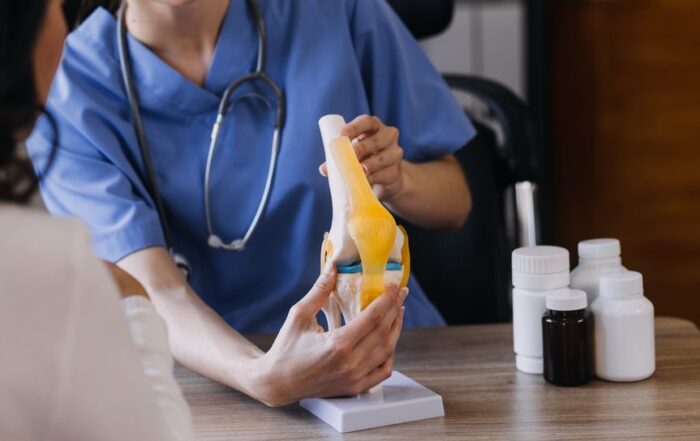
Partial vs Total Knee Replacement: Which Is Right?
Partial and total knee replacement can provide substantial relief. Learn which is best for long-term results.
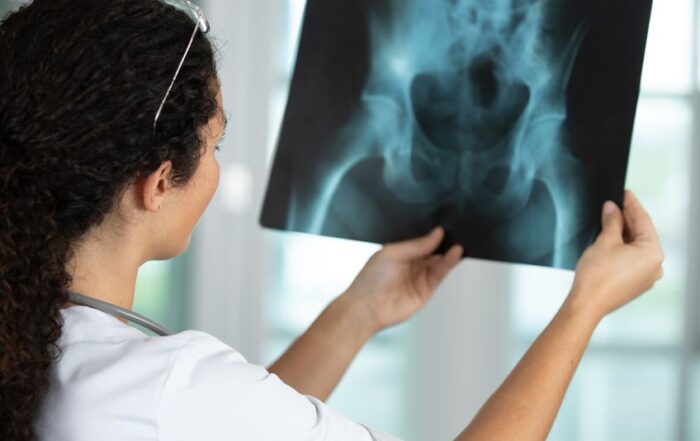
Hip Arthroscopy: Can It Treat Labral Tears And Impingement?
Hip labral tears and impingement may need surgery. Hip arthroscopy is an effective, long-term treatment option.

Meniscus Tear Surgery: When Should Patients Consider Repair?
Meniscus tear surgery is a major decision. Learn the factors that help patients to consider surgical repair.
Recent Posts
Shoulder Labral Tear Symptoms: When To Consider Surgery
A shoulder labral tear causes significant pain. Look for these symptoms and the criteria for pain-relieving surgery.
Partial vs Total Knee Replacement: Which Is Right?
Partial and total knee replacement can provide substantial relief. Learn which is best for long-term results.
Hip Arthroscopy: Can It Treat Labral Tears And Impingement?
Hip labral tears and impingement may need surgery. Hip arthroscopy is an effective, long-term treatment option.
Meniscus Tear Surgery: When Should Patients Consider Repair?
Meniscus tear surgery is a major decision. Learn the factors that help patients to consider surgical repair.