
When Workout Pain Turns Serious
Starting a new workout routine is often associated with discomfort as muscle groups are activated in new ways. While occasional pain is expected, in some scenarios, the pain can indicate a more serious issue. In particular, bicep tendinosis is a condition that occurs when the muscles are overused or experiencing degeneration. This condition is often seen in athletes over 35, seniors age 65 and up.

Causes of bicep tendinosis
Some of the most common causes of bicep tendinosis are overuse, injury, and even natural aging. Unlike tendonitis, tendinosis refers to long-term degradation. The condition is marked by inflammation of the tendons located in the biceps. Sometimes, inflammation can be caused by microscopic tears. But repetitive motions, and failing to maintain proper posture can also develop the condition. Another cause of bicep tendinosis is shoulder impingement when a tendon or bursa rubs against the shoulder blade.
Symptoms to watch for
Bicep tendinosis symptoms can be similar to other muscle discomforts. However, common symptoms include:
- Difficulty moving the joint
- Muscle weakness
- Pain that gets worse, especially with overhead movements
- Clicking, grating, or snapping sounds when moving the shoulder
- Swelling that might also appear with a heat sensation or change in skin color
- Difficulty rotating the arm
How is bicep tendinosis treated?
Before developing a treatment plan, a person must first be diagnosed with the condition. A physician will usually perform diagnostic tests such as an x-ray or an MRI to determine if a person has bicep tendinosis. Treatment options can vary depending on the severity of the condition. People with mild cases of bicep tendinosis can use conservative solutions of resting and icing, over-the-counter (OTC) medications, and physical therapy to treat this condition. Some people may also require steroid injections, although the remedy can sometimes lead to additional weakness in the tendon. Additionally, physical therapy can also aid in improving the range of motion and strengthening the arm and shoulder.
Surgical solutions
Most people can recover from bicep tendinosis without the need for surgery. But in more severe cases, especially if the tendon tears or ruptures, surgery may be the only remedy. Sometimes surgery with an arthroscope or camera can be less invasive. Additionally, damaged tissue or tendons can be repaired or removed if needed.
Be smart about arm pain
Recovering from bicep tendinosis is about being proactive and intelligent when pain arises. For the best possible outcome, people experiencing discomfort in the shoulder should allow the arm to rest and seek medical attention if the condition doesn’t improve after one to two weeks of home treatment. Trying to return to previous activities before the arm has adequately healed can worsen the situation. People concerned about the long-term impact of bicep tendinosis should speak with a physician.
Recent Posts

Shoulder Labral Tear Symptoms: When To Consider Surgery
A shoulder labral tear causes significant pain. Look for these symptoms and the criteria for pain-relieving surgery.
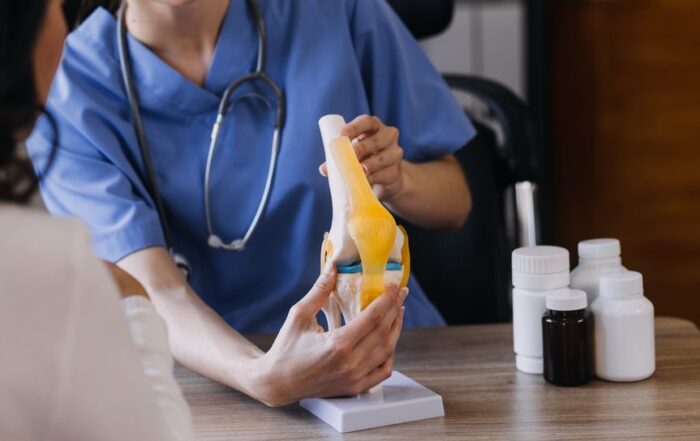
Partial vs Total Knee Replacement: Which Is Right?
Partial and total knee replacement can provide substantial relief. Learn which is best for long-term results.
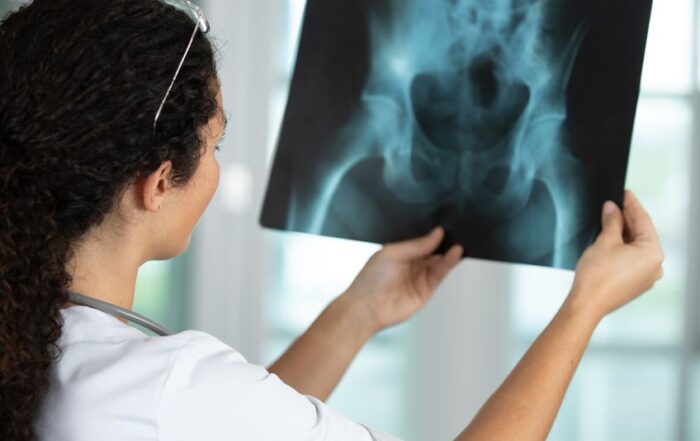
Hip Arthroscopy: Can It Treat Labral Tears And Impingement?
Hip labral tears and impingement may need surgery. Hip arthroscopy is an effective, long-term treatment option.

Meniscus Tear Surgery: When Should Patients Consider Repair?
Meniscus tear surgery is a major decision. Learn the factors that help patients to consider surgical repair.
Recent Posts
Shoulder Labral Tear Symptoms: When To Consider Surgery
A shoulder labral tear causes significant pain. Look for these symptoms and the criteria for pain-relieving surgery.
Partial vs Total Knee Replacement: Which Is Right?
Partial and total knee replacement can provide substantial relief. Learn which is best for long-term results.
Hip Arthroscopy: Can It Treat Labral Tears And Impingement?
Hip labral tears and impingement may need surgery. Hip arthroscopy is an effective, long-term treatment option.
Meniscus Tear Surgery: When Should Patients Consider Repair?
Meniscus tear surgery is a major decision. Learn the factors that help patients to consider surgical repair.