
5 FAQs About ACL Reconstruction
The anterior cruciate ligament (ACL) is one of the knee’s four main ligaments. The ACL connects the tibia and femur and is one of the most commonly injured ligaments. The risk of this type of injury is higher in athletes who play football, basketball, soccer and those who ski. Around 50% of ACL injuries also include damage to other ligaments, articular cartilage, or the knee bone (meniscus). Here are the top 5 questions asked about ACL reconstruction.

1.Can ACL surgery be avoided?
This type of injury does not heal well without treatment. However, there are some instances in which non-surgical treatment is the best option. Such cases include those in which the patient is elderly, not a very active person or suffers from arthritis. These types of patient sometimes benefit from rehabilitation rather than surgery.
2.Who is the best candidate for ACL reconstruction?
ACL surgery is the best option for patients who are active, such as athletes. The doctor will usually recommend surgery if the patient has undergone a rehabilitation program which has been unsuccessful or if more than one knee ligament has been injured.
3.What types of ACL reconstruction surgery are available?
There are two different types of ACL reconstruction surgery. The surgery involves replacing the damaged ACL with a ligament taken from elsewhere in the knee or from a tissue bank. The orthopedic surgeon will decide which method is best depending on the patient’s individual needs.
4.How long will recovery from ACL reconstruction take?
Recovery times will vary from patient to patient. Typical recovery time is several months to a year. After surgery, patients need to undergo physical therapy to complete recovery.
5.What will rehabilitation entail?
The aim of rehabilitation is to restore full strength and movement to the knee. Rehabilitation usually starts within 2-4 weeks after surgery and will begin with putting gentle weight on the knee. During initial physical therapy sessions, the aim is to achieve full extension of the knee; this is stage I of rehabilitation
During stage II rehabilitation, the patient will be working on achieving full range of motion and improving proprioception and endurance. Stage III involves continued strengthening, gaining confidence in knee movement, and jogging is allowed after three months. The patient will reach stage IV (the final stage of rehab) 4-6 months after surgery. If strength and mobility have returned to normal by this time, and the patient meets the required criteria, normal activities may be resumed.
Recent Posts
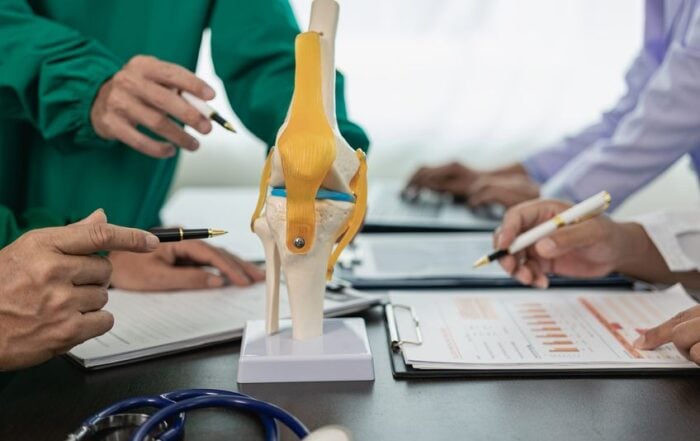
ACL Reconstruction: How Long Is The Recovery Timeline?
ACL reconstruction requires extensive recovery. Learn how long this timeline is for effective planning and guidance.

Shoulder Labral Tear Symptoms: When To Consider Surgery
A shoulder labral tear causes significant pain. Look for these symptoms and the criteria for pain-relieving surgery.
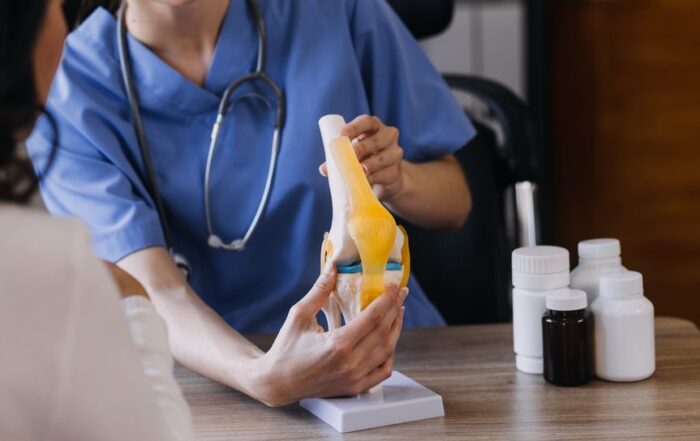
Partial vs Total Knee Replacement: Which Is Right?
Partial and total knee replacement can provide substantial relief. Learn which is best for long-term results.
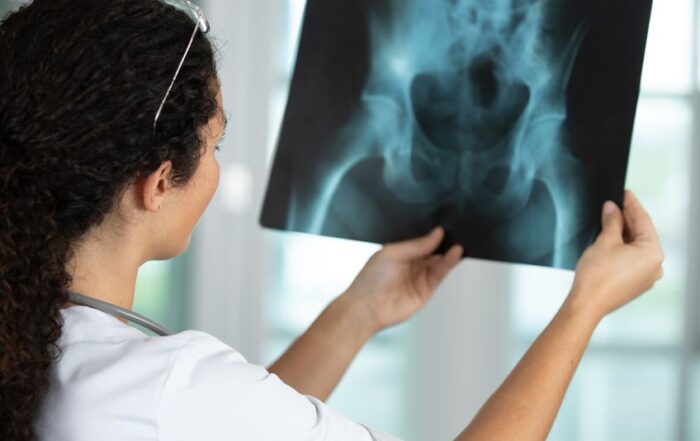
Hip Arthroscopy: Can It Treat Labral Tears And Impingement?
Hip labral tears and impingement may need surgery. Hip arthroscopy is an effective, long-term treatment option.
Recent Posts
Shoulder Labral Tear Symptoms: When To Consider Surgery
A shoulder labral tear causes significant pain. Look for these symptoms and the criteria for pain-relieving surgery.
Partial vs Total Knee Replacement: Which Is Right?
Partial and total knee replacement can provide substantial relief. Learn which is best for long-term results.
Hip Arthroscopy: Can It Treat Labral Tears And Impingement?
Hip labral tears and impingement may need surgery. Hip arthroscopy is an effective, long-term treatment option.
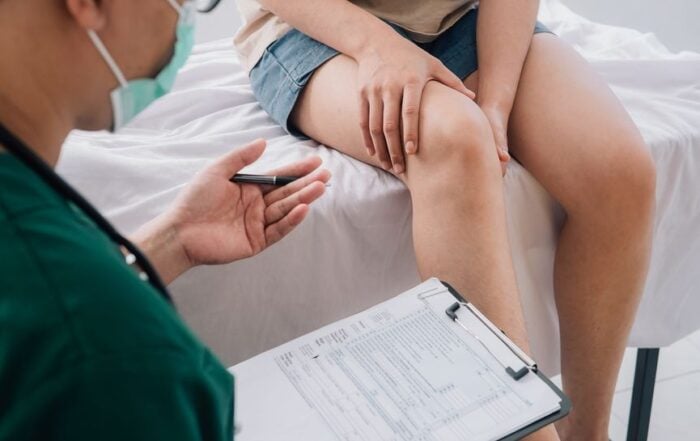
Meniscus Tear Surgery: When Should Patients Consider Repair?
Meniscus tear surgery is a major decision. Learn the factors that help patients to consider surgical repair.