
More Than A Shoulder Ache
Minor aches and pains are expected during a busy day at work and are easy to ignore. However, constant shoulder pain could be a sign of a rotator cuff tear. Rotator cuff tears are often associated with professional sports. Surprisingly, most tears happen to everyday people due to overuse at work. These tears are so common, over 400,000 surgeries happen yearly.

What’s a rotator cuff tear anyway?
The shoulder is an essential ball-and-socket joint that connects the arm to the collarbone and torso. A group of muscles and tendons called the rotator cuff wrap around the joint. The rotator cuff secures and holds the shoulder in place while encouraging movement. Rotator cuff tears happen when the tendons tear off the bone. These tears happen due to wear and tear or sudden injuries. Some jobs actually increase the chances of a shoulder injury, so these 3 professionals must be extra careful.
1. Assembly workers and rotator cuff tears
Assembly workers are in a line for hours on end. The repetitive motion and fine motor skills needed can cause shoulder pain at the end of the day. Continued wear and tear increase the risk of work-related injuries like rotator cuff tears.
2. Construction workers are at risk too
Construction workers often lift heavy pieces of metal, cement, and other materials. The constant lifting places a repetitive strain on the shoulders. Furthermore, incorrectly lifting an object can cause an acute injury. Some workers operate heavy machinery that can cause long-term damage. Make sure to take adequate rest and further precautions to reduce the risk of tears.
3. An unwanted painting injury
Commercial painters, artists, and home painters spend hours every day with a paintbrush in hand. Some people may think that painting is a low-impact activity, but painters can get shoulder pain. Over time, the pain can turn into a rotator cuff tear if left untreated.
Using conservative treatment options
Rotator cuff tears can be painful, uncomfortable, and reduce the range of motion. Make sure to visit a doctor for an x-ray or CT scan on the shoulder. Based on the type of tear, there is a range of treatment options available. Partial tears happen when a tendon gets damaged but does not detach from the bone. These tears can benefit from rest, hot and cold therapy, and anti-inflammatory medication. If these treatments fail, physical therapy and steroid injections can help restore range of motion.
It’s time to turn to surgery
Some people will experience full-thickness tears, where the tendon detaches from the bone. At this point, surgery is the best treatment option. Rotator cuff surgery can be done in an outpatient procedure and can address both large and small tears. Under local or general anesthesia, the surgeon will make small incisions around the damaged tendon. From there, small tools and an arthroscope help the surgeon repair the affected tissue. Rotator cuff repair has a high success rate and works well with physical therapy.
Prevention is better than cure
Fortunately, some steps can help prevent rotator cuff tears. Besides an injury or accident, most rotator cuff tears happen due to wear and tear. Persons in high-risk jobs, in particular, can benefit from these preventive measures, which include:
- Rest the arms after repetitive overhead use or avoid these activities altogether.
- Practice good posture when lifting or using the shoulders to reduce injury.
- Speak with a physical therapist for exercises that help strengthen the shoulder muscles.
- Use hot and cold therapy or massage to deal with pain or discomfort.
Take care of your cuff today
Some jobs require constant movement of the shoulders and overhead action. With time, the tendon can be prone to injury. Most tears benefit from non-surgical treatment. However, severe tears will require surgery. If the symptoms of a rotator cuff impact the quality of life, see a doctor immediately.
Recent Posts

Shoulder Labral Tear Symptoms: When To Consider Surgery
A shoulder labral tear causes significant pain. Look for these symptoms and the criteria for pain-relieving surgery.
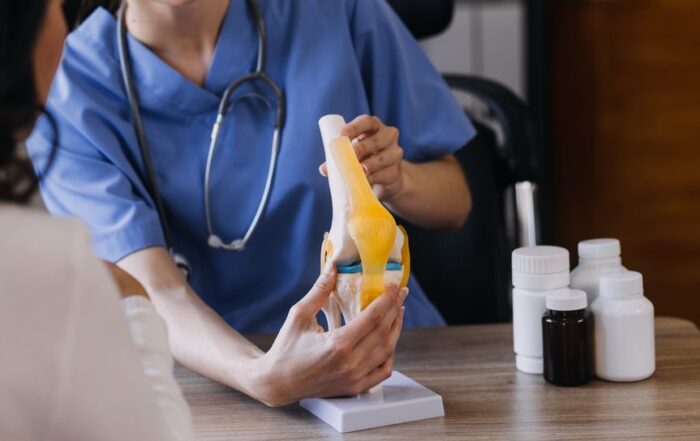
Partial vs Total Knee Replacement: Which Is Right?
Partial and total knee replacement can provide substantial relief. Learn which is best for long-term results.
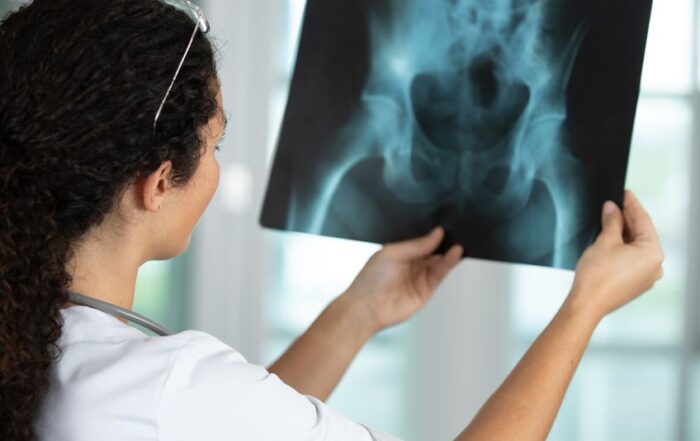
Hip Arthroscopy: Can It Treat Labral Tears And Impingement?
Hip labral tears and impingement may need surgery. Hip arthroscopy is an effective, long-term treatment option.

Meniscus Tear Surgery: When Should Patients Consider Repair?
Meniscus tear surgery is a major decision. Learn the factors that help patients to consider surgical repair.
Recent Posts
Shoulder Labral Tear Symptoms: When To Consider Surgery
A shoulder labral tear causes significant pain. Look for these symptoms and the criteria for pain-relieving surgery.
Partial vs Total Knee Replacement: Which Is Right?
Partial and total knee replacement can provide substantial relief. Learn which is best for long-term results.
Hip Arthroscopy: Can It Treat Labral Tears And Impingement?
Hip labral tears and impingement may need surgery. Hip arthroscopy is an effective, long-term treatment option.
Meniscus Tear Surgery: When Should Patients Consider Repair?
Meniscus tear surgery is a major decision. Learn the factors that help patients to consider surgical repair.