
Take A Breath: Where Are The Sinuses
Sinuses are comprised of a system of connected hollow cavities in the skull. The largest sinuses are the maxillary sinuses, which measure about an inch across. There are two of these; each is located above the cheekbones, below the eyes. The smaller ethmoid sinuses are located between the eyes within the ethmoid bone. The frontal sinuses are in the forehead, just behind the eyes. The sphenoid sinuses are behind the nose. Typically, the sinuses are empty except for a thin layer of mucus.

What are sinuses for?
Medical experts are not entirely sure why humans have sinuses. One theory is that the sinuses help to humidify inhaled air, another is that the sinuses help enhance the voice when people speak. What doctors do know is that the sinuses can become infected.
Sinus infections can be serious
Having a sinus infection (sinusitis) is no fun. An infection causes the cavities in the sinuses to become inflamed, leading to a build-up of mucus. Sinusitis can often make breathing through the nose difficult and can also cause a headache and facial pain. If left untreated a sinus infection can result in a bacterial infection.
What and where are adenoids?
Adenoids are a type of gland found at the back of the throat where the throat joins the nasal cavity. The adenoids catch germs in the nose before bacteria can cause infection. As the adenoids are fighting off infection, the tissue can become enlarged and become painful or partially obstruct breathing. If the adenoids do become inflamed, the swollen tissue may also block the ear’s eustachian tube, which drains fluid from the inner ear. When this happens, the result can cause ear infections and sometimes sinus infections.
Will adenoid removal help?
Adenoid removal can help reduce the incidence of ear and sinus infection. Adenoid removal requires a surgical procedure known as adenoidectomy. This procedure is most often performed on children. The surgery a simple procedure and is performed under general anesthetic.
The surgeon uses a small tool to keep the patient’s mouth open then cuts away the soft tissue of the adenoid. The skin is then cauterized to stop bleeding. Once the patient is awake and is able to breathe easily, swallow, and cough, the patient will be able to return home.
Recent Posts

Shoulder Labral Tear Symptoms: When To Consider Surgery
A shoulder labral tear causes significant pain. Look for these symptoms and the criteria for pain-relieving surgery.
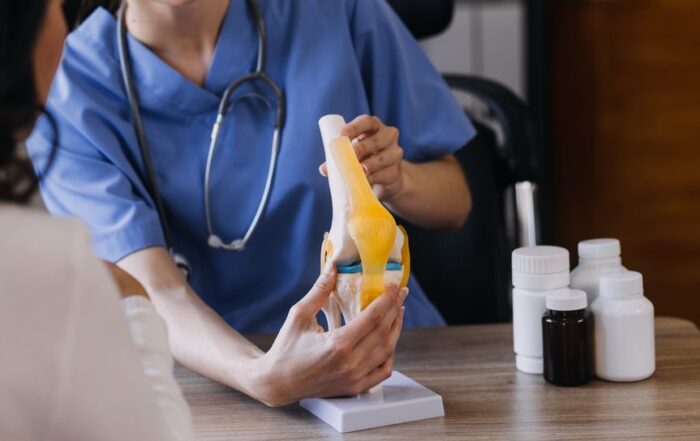
Partial vs Total Knee Replacement: Which Is Right?
Partial and total knee replacement can provide substantial relief. Learn which is best for long-term results.
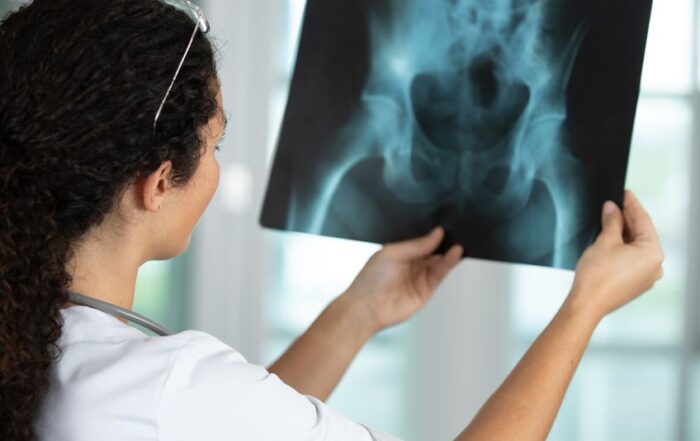
Hip Arthroscopy: Can It Treat Labral Tears And Impingement?
Hip labral tears and impingement may need surgery. Hip arthroscopy is an effective, long-term treatment option.

Meniscus Tear Surgery: When Should Patients Consider Repair?
Meniscus tear surgery is a major decision. Learn the factors that help patients to consider surgical repair.
Recent Posts
Partial vs Total Knee Replacement: Which Is Right?
Partial and total knee replacement can provide substantial relief. Learn which is best for long-term results.
Hip Arthroscopy: Can It Treat Labral Tears And Impingement?
Hip labral tears and impingement may need surgery. Hip arthroscopy is an effective, long-term treatment option.
Meniscus Tear Surgery: When Should Patients Consider Repair?
Meniscus tear surgery is a major decision. Learn the factors that help patients to consider surgical repair.

Rotator Cuff Repair: Restoring Mobility & Relieving Shoulder Pain
Rotator cuff repair can relieve shoulder pain and restore strength. Learn how surgery works, recovery timelines, and when repair may be needed.