
What Causes Swollen Lymph Nodes?
Swollen lymph nodes are common and can be caused by anything from the common cold to an autoimmune disease. These nodes are small glands found in the neck, armpits, and groin, and can swell in response to an infection. Some people may notice swollen glands at home, or a doctor may discover swelling during a routine exam. If the cause for the swollen lymph nodes is unknown, the doctor may call for a neck mass evaluation, and possibly an excision and biopsy.

Why is there a lump on my neck?
People can get lumps on the neck for a variety of reasons. Most of the time, a neck mass is not dangerous. However, because there can be some concerning causes of neck masses, patients should see a healthcare provider as soon as a lump appears. The physician will then perform a neck mass evaluation.
What happens during an evaluation?
The possible causes of a bump can vary based on where on the neck the bump appears. For example, people can experience swollen lymph nodes from certain infections, such as infectious mononucleosis or the flu. When the doctor can’t determine the cause of the neck mass, an excision and biopsy may be recommended.
What is a lymph node excision?
A lymph node excision may be necessary to rule out other health concerns. If the swelling doesn’t go away or grows more substantial, a healthcare provider may excise a small part of the lymph node. The sample is then sent for a biopsy. There are a few different ways to perform an excision and biopsy on the lymph node.
Types of biopsies
In some cases, the doctor will take a small tissue sample from the lymph node or may remove the entire lymph node. The procedure usually takes 30-45 minutes and is done on an outpatient basis. Pain is minimal; however, the incision may take up to 2 weeks to heal. Alternatively, a physician may perform a fine needle aspiration biopsy. This procedure only takes 10-15 minutes. The doctor uses a small needle to collect a sample of cells for testing.
Biopsy results
The results of a lymph node biopsy are usually available in about a week. Biopsies are used to look for signs of infection, cancer, or immune disorders. Biopsies are diagnostic procedures, which means that the procedure is used to help diagnose other conditions.
Find treatment options
The course of treatment for a neck mass will depend on the cause. In some cases, treatment for the underlying infection may be the best course of action. Other times, further testing may be needed. Speak with a healthcare provider to learn more about neck mass evaluations.
Recent Posts

Shoulder Labral Tear Symptoms: When To Consider Surgery
A shoulder labral tear causes significant pain. Look for these symptoms and the criteria for pain-relieving surgery.
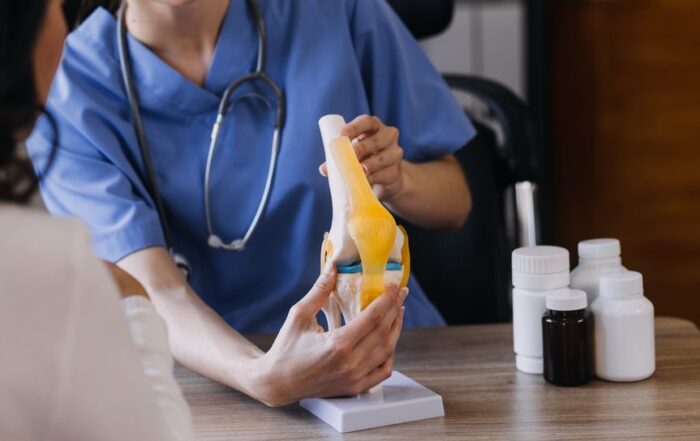
Partial vs Total Knee Replacement: Which Is Right?
Partial and total knee replacement can provide substantial relief. Learn which is best for long-term results.
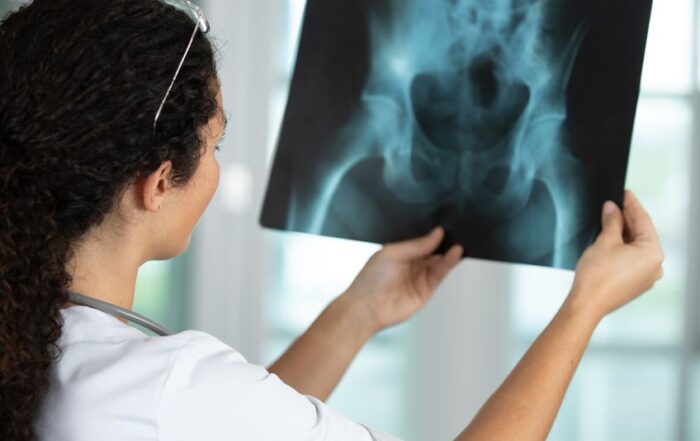
Hip Arthroscopy: Can It Treat Labral Tears And Impingement?
Hip labral tears and impingement may need surgery. Hip arthroscopy is an effective, long-term treatment option.

Meniscus Tear Surgery: When Should Patients Consider Repair?
Meniscus tear surgery is a major decision. Learn the factors that help patients to consider surgical repair.
Recent Posts
Shoulder Labral Tear Symptoms: When To Consider Surgery
A shoulder labral tear causes significant pain. Look for these symptoms and the criteria for pain-relieving surgery.
Partial vs Total Knee Replacement: Which Is Right?
Partial and total knee replacement can provide substantial relief. Learn which is best for long-term results.
Hip Arthroscopy: Can It Treat Labral Tears And Impingement?
Hip labral tears and impingement may need surgery. Hip arthroscopy is an effective, long-term treatment option.
Meniscus Tear Surgery: When Should Patients Consider Repair?
Meniscus tear surgery is a major decision. Learn the factors that help patients to consider surgical repair.