
More Than A Pesky Sinus
Having some severe sinus issues? Over 28 million suffer the same fate at some point. And the source of the sinus pain could be nasal polyps. Most sinus issues, including nasal polyps, can be easily treated. However, there are cases where persons with polyps should consider surgery. Over 200,000 sinus surgeries are performed yearly. One of the best procedures is endoscopic sinus surgery.

Not your average tumor
Nasal polyps are soft, fleshy growths that develop in the sinuses. Sinuses are cavities located in the face and nasal area. These cavities are lined with a thin film of cells called the mucosa. When the nasal mucosa gets inflamed, small teardrop-like tumors or polyps develop. Polyps are more likely to affect men than women. While these tumors are non-cancerous and painless, the very presence can cause serious sinus issues. Nasal polyps block sinuses, causing sinus pressure, breathing problems, and sinus infections.
What’s the cause?
Research has been unable to uncover the exact cause of nasal polyps. However, allergies are the primary trigger of the condition. External allergens cause persistent irritation, creating polyps. Other links to nasal polyps include asthma, cystic fibrosis, and reactions to some medications. Signs of nasal polyps include a persistent runny nose, sleep apnea, congestion, and a loss of smell.
Treating those teardrops
If left untreated, nasal polyps can negatively affect the quality of life. To address the issue, doctors often prescribe steroids to reduce inflammation and the size of polyps. These steroids are usually in a nasal spray or tablet form. In most cases, steroids are an effective solution. Doctors can also treat the source of the issue with antihistamines or antibiotics.
When all else fails
While medication can help, there are some circumstances when doctors will turn to surgery. Was the prescribed medication ineffective? Are sinus infections coming fast and furious? Is the sinus pain and pressure too much to bear? Then surgery is the best bet. In rare cases, the doctor may suspect cancer or the polyps impact the nasal structure. While surgery can be scary, the procedure can clear up polyps for good.
Treating nasal polyps with surgery
If surgery is the next step, the doctor will often use endoscopic sinus surgery. The procedure is minimally invasive and is usually an outpatient procedure. Under general anesthesia, the surgeon inserts an endoscope through the nose. This gives the surgeon a clear view of the nasal polyps via the endoscope’s camera. From there, the surgeon uses micro-tools to remove the polyps blocking the sinuses. Endoscopic sinus surgery is very effective with a 90% success rate. With any surgical procedure, doctors will inform of any possible complications that can arise.
Put the pressure on polyps now
Nasal polyps can put a damper on sinus health. In most cases, medication can clear inflammation and reduce polyps. However, if all other treatment fails, then endoscopic sinus surgery can help. Speak with a doctor for the best course of action needed to breathe easy again.
Recent Posts

Shoulder Labral Tear Symptoms: When To Consider Surgery
A shoulder labral tear causes significant pain. Look for these symptoms and the criteria for pain-relieving surgery.
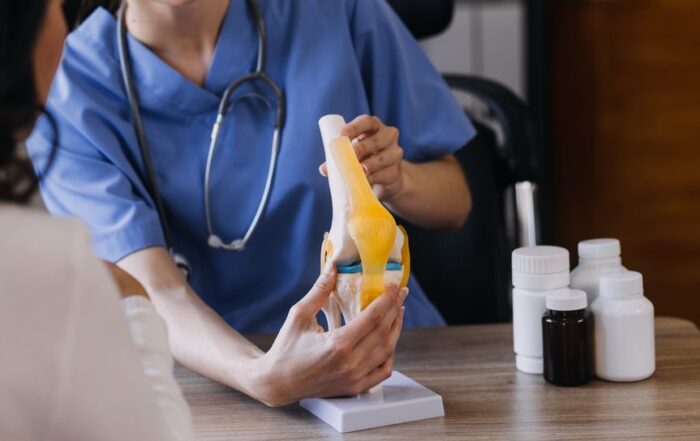
Partial vs Total Knee Replacement: Which Is Right?
Partial and total knee replacement can provide substantial relief. Learn which is best for long-term results.

Hip Arthroscopy: Can It Treat Labral Tears And Impingement?
Hip labral tears and impingement may need surgery. Hip arthroscopy is an effective, long-term treatment option.

Meniscus Tear Surgery: When Should Patients Consider Repair?
Meniscus tear surgery is a major decision. Learn the factors that help patients to consider surgical repair.
Recent Posts
Shoulder Labral Tear Symptoms: When To Consider Surgery
A shoulder labral tear causes significant pain. Look for these symptoms and the criteria for pain-relieving surgery.
Partial vs Total Knee Replacement: Which Is Right?
Partial and total knee replacement can provide substantial relief. Learn which is best for long-term results.
Hip Arthroscopy: Can It Treat Labral Tears And Impingement?
Hip labral tears and impingement may need surgery. Hip arthroscopy is an effective, long-term treatment option.
Meniscus Tear Surgery: When Should Patients Consider Repair?
Meniscus tear surgery is a major decision. Learn the factors that help patients to consider surgical repair.