
How Can You Heal Quicker?
Historically, orthopedic surgeries haven’t always been easy. In the past, these operations were performed as open surgeries, meaning that the operating site was fully exposed to the elements. While effective at repairing or replacing damaged tissues or bones, classic open surgeries meant that patients could expect long recovery timelines, pain at the incision area, and large scars as a constant reminder of the medical procedure. However, medical innovations like arthroscopy have changed and improved how orthopedic surgery is performed.

Defining arthroscopy
An arthroscopy is a type of minimally invasive procedure that utilizes small cameras and surgical instruments. The method can be used for solely diagnostic needs, to repair or replace damaged tissues or bone, or for both. In diagnostic-only processes, a surgeon relies solely on the camera to determine the extent of damage and the best repair practices. With repair or replacement surgeries, doctors will use cameras and miniature surgical tools. Regardless of the method employed, arthroscopic surgeries offer significant benefits to patients.
Smaller incision sites
One of the biggest cosmetic drawbacks of traditional open orthopedic surgeries is that patients are left with a large scar due to the larger incision required to create a work zone for the surgeon. Even after healing, many people feel self-conscious, especially if the scar is in a more visible part of the body. With arthroscopies, incision sites are significantly smaller, sometimes no more than 1-2 inches. The incision can also be placed in more discreet areas, reducing visibility.
Faster recovery
The most significant benefit of arthroscopic operations is that the minimally invasive procedure creates a significantly shorter recovery timeline. As a reference, depending on the type of open surgery, most people will face at least 6-12 weeks of initial healing before regaining decent mobility. However, full recovery can sometimes take nearly 12 months or more. Yet with arthroscopic surgeries, recovery timelines can shrink significantly. In most cases, many people can return to basic activities within 2-6 weeks after surgery and achieve full mobility and clearance for intensive activity within 3-9 months.
Reduced pain
While any operation comes with pain and discomfort, traditional surgeries often bring more irritation because of the larger incision site, and the fact that surgeons have to disturb more surrounding tissues to reach damaged areas. A key benefit of arthroscopies is that the smaller incision site and the reliance on miniature surgical tools result in reduced disturbance of surrounding tissues. As a result, patients experience less pain with arthroscopies than with open orthopedic surgeries.
Achieve faster recoveries
Although individual healing depends on the type of surgery, the extent of the damage, whether underlying health concerns are present, and how diligently people adhere to recovery guidelines, arthroscopies are the preferred method for orthopedic repair procedures. Whether to replace a joint or tissue, or to correct misalignment, consider speaking with an orthopedist to see if arthroscopy could be the solution.
Recent Posts
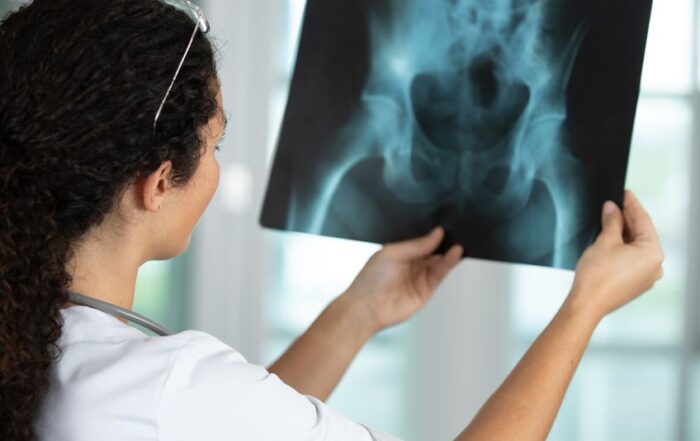
Hip Arthroscopy: Can It Treat Labral Tears And Impingement?
Hip labral tears and impingement may need surgery. Hip arthroscopy is an effective, long-term treatment option.

Meniscus Tear Surgery: When Should Patients Consider Repair?
Meniscus tear surgery is a major decision. Learn the factors that help patients to consider surgical repair.

Rotator Cuff Repair: Restoring Mobility & Relieving Shoulder Pain
Rotator cuff repair can relieve shoulder pain and restore strength. Learn how surgery works, recovery timelines, and when repair may be needed.

Managing Post-Surgical Pain: The Benefits Of Personalized Care Plans
After surgery, pain management is one of the most important things you need to finalize to help support your recovery.